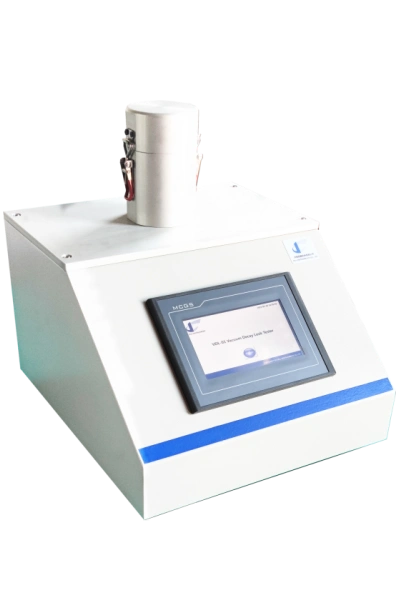
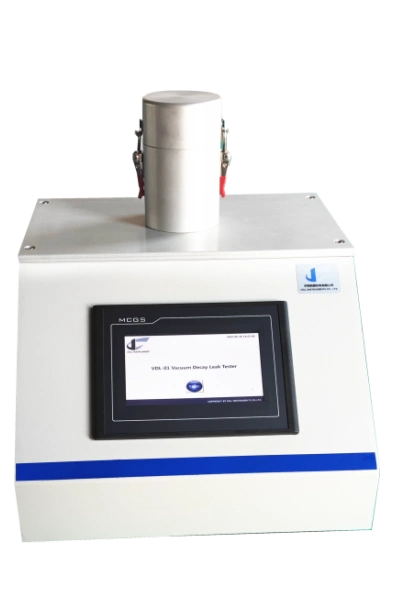
In the packaging industry, ensuring the integrity of packaging is critical, particularly for industries like food, pharmaceuticals, and medical devices. One of the most effective methods for non-destructive leak detection in packaging is using the packaging vacuum decay tester. This tool is designed to identify leaks by measuring the decay in vacuum levels over time. It helps manufacturers ensure their products meet strict standards for packaging integrity. This article explores the packaging vacuum decay tester, its importance, the ASTM F2338 standard, and its role in rigid container integrity testing.
What is a Packaging Vacuum Decay Tester?
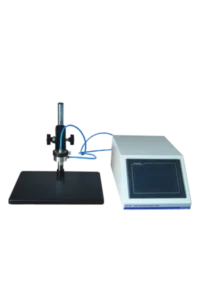
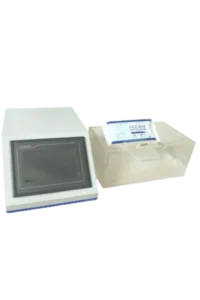
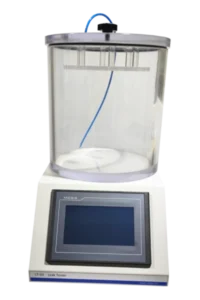
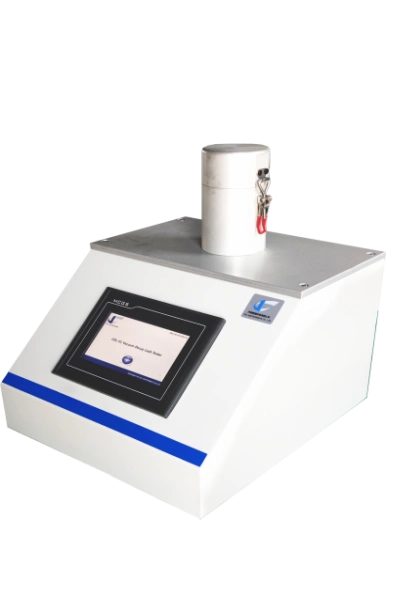
A packaging vacuum decay tester is a non-destructive testing method used to detect leaks in packaging. The tester works by applying a vacuum inside the packaging chamber, monitoring the vacuum levels, and detecting any changes caused by leaks. As the vacuum decays, any escaping gas or vapor from the package will affect the pressure, allowing the tester to identify the location and severity of the leak.
This testing method is highly accurate and quick, making it suitable for high-volume production environments. It is particularly useful for testing rigid containers, which require precise sealing to ensure product safety and quality during transport and storage.
Understanding ASTM F2338: Standard for Vacuum Decay Testing
ASTM F2338 is the standard test method for non-destructive leak detection in packaging using the vacuum decay method. According to this standard, a test package is placed inside a vacuum chamber where vacuum pressure is applied. The chamber is isolated from the vacuum source, and the pressure inside is monitored over time. If a leak is present, the vacuum will decay at a measurable rate, which can be tracked to detect leaks.
The ASTM F2338 method is valuable because it provides a sensitive and reliable way to detect leaks in packaging without compromising the product. It is often used in testing medical devices, food packaging, and pharmaceutical products, ensuring that they remain sealed and free of contaminants.
How the Packaging Vacuum Decay Tester Works
The packaging vacuum decay tester functions by introducing a controlled vacuum into the test chamber. The package being tested is placed inside the chamber, and the system begins to monitor the vacuum levels. Over time, any leak in the package will cause the vacuum level to decay, providing a clear indication of a leak.
Steps of the Vacuum Decay Test:
- Vacuum Application: The test package is placed in the chamber, and vacuum is applied.
- Vacuum Decay Monitoring: The pressure inside the chamber is monitored for changes.
- Leak Detection: If a leak is present, the vacuum will decay due to gas or vapor escaping from the package, indicating the presence of a failure.
This method is highly effective for detecting leaks that are not visible, especially in rigid containers, which might have small or hard-to-detect leaks that compromise product integrity.
Significance of Non-Destructive Leak Detection
Non-destructive leak detection is vital for maintaining the quality and safety of products in the packaging industry. Unlike traditional leak detection methods, which may damage the product or packaging, the vacuum decay method is completely non-invasive. This ensures that the package can be tested without being compromised, which is especially important for sterile medical devices or food products.
By using a packaging vacuum decay tester, manufacturers can:
- Ensure that packages are sealed properly.
- Avoid contamination or degradation of products.
- Improve product shelf life by maintaining airtight seals.
- Comply with industry standards like ASTM F2338.
Role of the Packaging Vacuum Decay Tester in Rigid Container Integrity Testing
Rigid container integrity testing is crucial for products that require strong, airtight seals to prevent contamination. The packaging vacuum decay tester plays a significant role in this process by identifying leaks that could compromise the product’s integrity. This is particularly important in industries like pharmaceuticals, where leaks could result in exposure to harmful agents, or food packaging, where contamination can spoil the product.
The ability to detect even the smallest leaks ensures that manufacturers can maintain high-quality standards and prevent costly recalls or damage to their reputation. The vacuum decay test is a fast and efficient method to guarantee that the packaging is up to standard and that the contents remain safe and secure.
Benefits of Using the Packaging Vacuum Decay Tester
- Non-Destructive Testing: The packaging vacuum decay tester ensures that packages are tested without being damaged, maintaining their integrity for further use.
- High Sensitivity: This method can detect very small leaks, ensuring that even the smallest defects are identified.
- Speed and Efficiency: The vacuum decay test is quick and can be automated, allowing manufacturers to test large batches of products in a short amount of time.
- Improved Compliance: By adhering to standards like ASTM F2338, manufacturers ensure that their products meet regulatory requirements and industry standards.
Conclusion
The packaging vacuum decay tester is an essential tool for non-destructive leak detection, ensuring the integrity of packaging materials. Whether testing food, medical devices, or pharmaceuticals, this method provides a reliable way to detect leaks without damaging the product. With its high sensitivity and quick testing capabilities, it helps manufacturers maintain product quality and safety while adhering to industry standards like ASTM F2338.
For businesses seeking to improve their packaging quality and meet regulatory requirements, investing in a packaging vacuum decay tester is a smart decision that will enhance product safety, reduce risks, and boost customer confidence. At Cell Instruments, we offer high-quality testing solutions tailored to meet the needs of diverse industries.