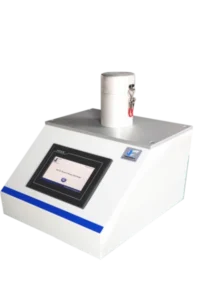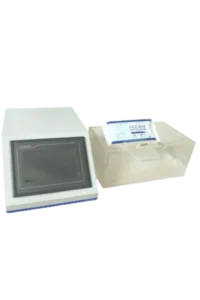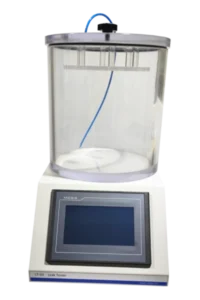
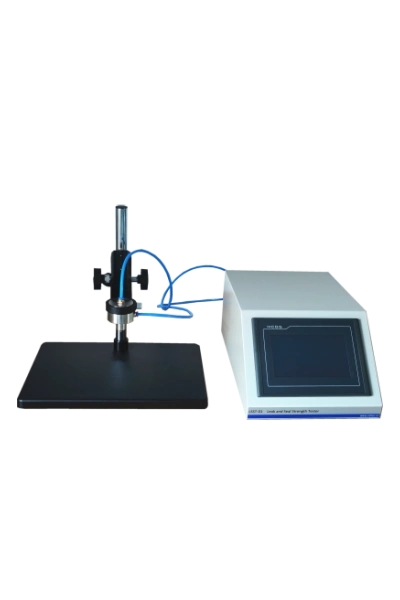
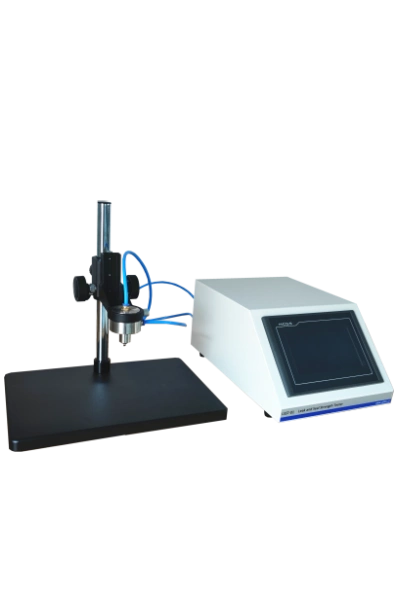
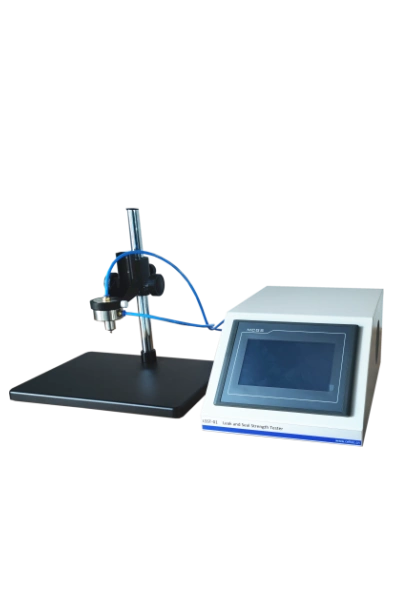
In the packaging industry, ensuring the integrity and strength of a package is crucial, especially for industries like food, pharmaceuticals, and medical devices. One of the most reliable methods for evaluating package durability is the pouch burst tester. This device is designed to test the burst strength of flexible packages, ensuring that they can withstand the pressure they may encounter during transportation and storage.
This article will explore the pouch burst tester, its importance in packaging quality control, and how it complies with standards like ASTM F1140. Additionally, we’ll discuss the relevance of ASTM F2054, burst testing for packages, and the pressure decay test in determining package performance.
What is a Pouch Burst Tester?
A pouch burst tester is an apparatus used to determine the burst strength of flexible packages, including pouches. This is achieved by pressurizing the package internally until failure occurs. The tester is designed to simulate real-world conditions, such as pressure changes during shipping or sterilization, to evaluate the package’s ability to resist rupture.
The tester works by applying controlled internal pressure to the package until it bursts. The point of failure is typically at the package seal or weak spots in the material. The tester measures the pressure at which the package bursts, providing crucial data about the package’s durability and integrity.
ASTM F1140: Testing Internal Pressurization Resistance
ASTM F1140 outlines standard test methods for evaluating the internal pressurization failure resistance of unrestrained packages. The standard includes several test methods that assess a package’s resistance to internal pressure:
- Test Method A (Burst Test): This method pressurizes the package until it bursts, measuring the maximum pressure at the point of failure.
- Test Method B (Creep Test): This method applies a specific pressure to the package and maintains it for a set time, determining if the package can withstand pressure without failure.
- Test Method C (Creep to Failure): This method continues to pressurize the package until it bursts, recording the time it takes for the failure to occur.
These tests help ensure that the package can handle pressure differentials that may occur during sterilization or transportation. They also provide valuable data for determining packaging materials’ suitability for specific products.
The Importance of Burst Testing for Packages
Burst testing is a crucial step in packaging quality control. It simulates extreme conditions that a package might face during its lifecycle. This includes pressure differentials caused by external factors such as changes in altitude or temperature, and internal factors like the contents of the package.
By using the pouch burst tester, manufacturers can ensure that their packaging can withstand these stresses without compromising the integrity of the product inside. Burst tests are essential for verifying that the seals and materials used in the packaging can handle the pressures they will face during storage, transportation, and handling.
ASTM F2054: Burst Testing for Flexible Package Seals
Another important standard for burst testing is ASTM F2054, which focuses on testing flexible package seals using internal air pressurization within restraining plates. This method is particularly useful for testing flexible packages like pouches and bags, where the burst typically occurs at the seal area.
During ASTM F2054 testing, the package is pressurized until the seal fails. The test can be performed with the package either open or closed, depending on the type of package and the test requirements. The primary aim of this test is to evaluate the burst strength of the seal, which is crucial for maintaining package integrity and preventing leaks or contamination.
Pressure Decay Test: Detecting Leaks Without Rupturing the Package
In addition to burst testing, the pressure decay test is another valuable method for testing package integrity. This non-destructive test measures the change in pressure inside a package over time. A pressure drop indicates that there is a leak in the package.
The pressure decay test is particularly useful for detecting small leaks that may not be visible to the naked eye. Unlike burst testing, which causes the package to rupture, the pressure decay test allows manufacturers to detect leaks without damaging the package, making it an ideal method for testing sensitive products.
Why Use a Pouch Burst Tester?
The pouch burst tester offers several advantages for manufacturers looking to ensure the integrity of their packaging:
- Accurate Pressure Measurement: The tester provides precise measurements of the pressure at which the package fails, helping manufacturers determine the strength of their packaging materials and seals.
- Real-World Simulation: By subjecting the package to increasing internal pressure, the tester simulates the conditions the package will face in transit, ensuring that it can withstand real-world stresses.
- Quick and Efficient Testing: The pouch burst tester is designed for fast and efficient testing, enabling manufacturers to evaluate large numbers of packages in a short amount of time.
- Compliance with Industry Standards: The tester is fully compliant with ASTM F1140 and ASTM F2054, ensuring that manufacturers meet industry standards for packaging performance.
Conclusion
The pouch burst tester is an essential tool for evaluating the burst strength and integrity of flexible packages. By using burst tests and pressure decay tests in accordance with standards like ASTM F1140 and ASTM F2054, manufacturers can ensure that their packaging materials provide adequate protection for the products inside.
For businesses in industries like food, pharmaceuticals, and medical devices, investing in a pouch burst tester is a key step in maintaining high-quality packaging that can withstand the pressures of the supply chain. At Cell Instruments, we offer high-performance testing solutions to meet the diverse needs of the packaging industry.