
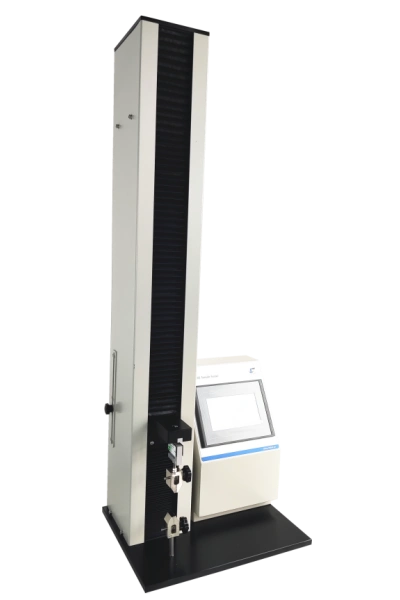
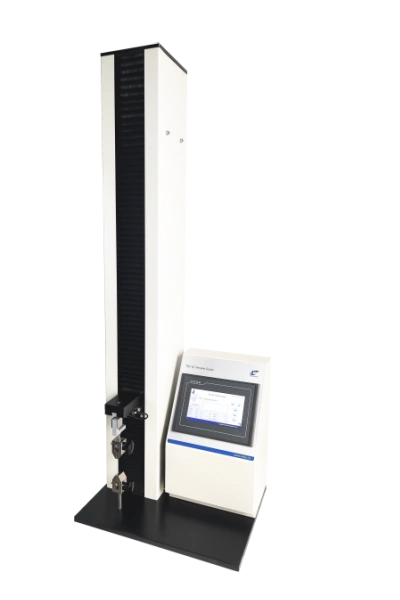
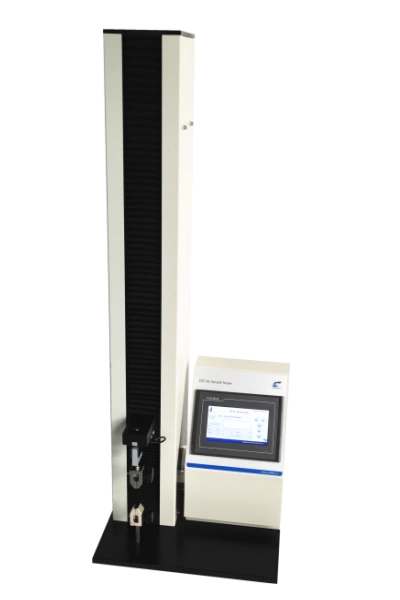
A Műanyag szakítószilárdság-ellenőrző döntő fontosságú a műanyagok mechanikai tulajdonságainak, különösen a húzóerőkkel szembeni ellenálló képességüknek az értékeléséhez. A szakítóvizsgálat értékes adatokat szolgáltat a műanyagok szilárdságáról, nyúlásáról és rugalmassági modulusáról, így biztosítva alkalmasságukat a különböző ipari alkalmazásokban. Ebben a cikkben a következők jelentőségét vizsgáljuk meg Műanyag szakítószilárdság-ellenőrző, a következőkre összpontosítva ASTM D882, ISO 527, és a nyúlás szakítóvizsgálat az anyag terhelés alatti teljesítményének meghatározása.
A műanyag szakítószilárdságmérő szerepe
A Műanyag szakítószilárdság-ellenőrző azt méri, hogyan viselkednek a műanyagok feszültség alatt, és ezzel döntő fontosságú információkat szolgáltat az anyagok kiválasztásához az adott alkalmazásokhoz. A műanyag próbadarabra szabályozott erőt kifejtve a vizsgálóberendezés értékeli annak szakítószilárdságát, nyúlását és rugalmassági modulusát. Ezek a paraméterek alapvető fontosságúak annak meghatározásához, hogy az anyag képes-e törés nélkül elviselni a feszültséget, ami különösen fontos a csomagolásban, az autóiparban és más iparágakban használt anyagok esetében, ahol a tartósság kulcsfontosságú.
Az ASTM D882 megértése a vékony műanyag lemezek szakító tulajdonságaihoz
ASTM D882 egy szabványos vizsgálati módszer, amelyet a vékony műanyag fóliák szakító tulajdonságainak értékelésére használnak. Ez a módszer az erő és a nyúlás mérését jelenti a műanyag próbatestek feszítés alatti vizsgálata során. Az eredmények a ASTM D882 segít a gyártóknak meghatározni az olyan tulajdonságokat, mint a szakítószilárdság, a szakadási nyúlás és a rugalmassági modulus. Ezek a tulajdonságok létfontosságúak a különböző termékekben használt anyagok jellemzéséhez és specifikációjához.
- Szakítószilárdság: Megmutatja, hogy az anyag mekkora erőt képes elviselni a törés előtt.
- Nyúlás: Azt méri, hogy az anyag mennyit tud nyúlni, mielőtt eléri a töréspontját.
- Rugalmassági modulus: Betekintést nyújt az anyag merevségébe.
ASTM D882 széles körben használják olyan iparágakban, ahol a vékony műanyag fóliák kritikus fontosságúak, például a csomagolóanyagok, a rugalmas elektronika és más olyan alkalmazások esetében, ahol a rugalmasság és a tartósság elengedhetetlen.
ISO 527: Műanyagok szakító tulajdonságainak meghatározása
ISO 527, konkrétan ISO 527-1:2019, a műanyagok szakító tulajdonságainak meghatározására szolgáló nemzetközi szabvány. Ez a szabvány meghatározza a különböző műanyagok, köztük a hőre lágyuló műanyagok, a hőre keményedő műanyagok és a műanyag kompozitok szakítószilárdságának vizsgálatára vonatkozó általános elveket. A vizsgálat során a próbadarabra szakítóerőt alkalmaznak, és rögzítik az erő-hosszabbítási görbét, amelyből aztán kiszámítják a szakítószilárdságot, a szakadási nyúlást és más szakítótulajdonságokat.
ISO 527 a műanyagok széles skálájához alkalmazható, többek között:
- Merev és félmerev hőre lágyuló műanyagok
- Hőre keményedő műanyagok
- Műanyag kompozitok
- Szálerősítésű műanyagok
A szabvány útmutatást nyújt a minták előkészítésére és az eredmények mérésére vonatkozóan is, biztosítva a különböző anyagok és vizsgálóberendezések esetében az egységes és reprodukálható vizsgálati feltételeket.
A nyúlási szakítóvizsgálat: A szakadás előtti nyúlás mérése
A nyúlás szakítóvizsgálat a szakítóvizsgálat lényeges része, különösen a képlékeny anyagok alakíthatóságának értékeléséhez. Ez a vizsgálat azt méri, hogy egy anyag mekkora nyúláson megy keresztül, mielőtt eltörik, ami döntő fontosságú a rugalmasság és a feszültségfelvevő képesség meghatározásához. A nagyobb nyúlással rendelkező anyagok jellemzően rugalmasabbak, és nagyobb alakváltozást képesek elviselni, mielőtt meghibásodnának, így alkalmasak olyan alkalmazásokhoz, ahol rugalmasságra van szükség.
A nyúlást az anyag eredeti hosszának százalékában fejezik ki, és értékes betekintést nyújt az anyag azon képességébe, hogy törés nélkül ellenálljon a nyúlásnak. Az olyan alkalmazásokban használt műanyagok, mint a csomagolófóliák vagy az autóipari alkatrészek esetében a következők egyensúlya az előnyös. szakítószilárdság és nyúlás hogy biztosítsák integritásuk megőrzését, miközben rugalmasak.
A műanyag szakítószilárdság-vizsgáló előnyei az anyagelemzéshez
Egy Műanyag szakítószilárdság-ellenőrző számos előnyt kínál a gyártók és az anyagtudósok számára:
- Pontosság és precizitás: A vizsgáló megbízható, megismételhető eredményeket biztosít, lehetővé téve a szakítószilárdság, a nyúlás és a rugalmassági modulus pontos mérését.
- Anyag összehasonlítás: Lehetővé teszi a különböző műanyagok összehasonlítását azonos vizsgálati körülmények között, segítve a gyártókat a legmegfelelőbb anyag kiválasztásában az adott alkalmazásokhoz.
- Minőségellenőrzés: A szakítópróba használatával a gyártók biztosíthatják, hogy műanyag termékeik megfelelnek az előírt szilárdsági, rugalmassági és tartóssági előírásoknak.
- A szabványoknak való megfelelés: A tesztelő biztosítja, hogy az eredmények megfeleljenek ASTM D882 és ISO 527 szabványok, amelyek világszerte elismert adatokat szolgáltatnak a különböző iparágakban.
Miért válassza az Cell Instruments’ szakítóvizsgálókat?
Az Cell Instruments a legkorszerűbb Szakítóvizsgálók a műanyagok pontos és hatékony szakítóvizsgálatához tervezték. A Műanyag szakítószilárdság-vizsgálók fejlett funkciókkal vannak felszerelve, amelyek biztosítják a nagy pontosságot és megismételhetőséget, így ideálisak laboratóriumok, kutatás-fejlesztés és minőségellenőrzési alkalmazások számára.
- Nagy pontosság: Vizsgálóink pontos méréseket biztosítanak az erő, a nyúlás és a szakítószilárdság mérésére.
- Sokoldalúság: Anyagok széles körének vizsgálatára alkalmas, beleértve a műanyagokat, kompozitokat és elasztomereket.
- A szabványoknak való megfelelés: Tesztelőink megfelelnek a globális szabványoknak, mint például ASTM D882 és ISO 527, biztosítva, hogy az Ön vizsgálati eljárásai megfeleljenek az iparági előírásoknak.
Következtetés
A Műanyag szakítószilárdság-ellenőrző nélkülözhetetlen eszköz a műanyagok mechanikai tulajdonságainak értékeléséhez. A következőkhöz való ragaszkodással ASTM D882 és ISO 527, a gyártók pontos és következetes adatokat kaphatnak a műanyagok szakítószilárdságáról, nyúlásáról és rugalmassági modulusáról. Ezek a tulajdonságok létfontosságúak az anyag teljesítményének meghatározásához a különböző alkalmazásokban, a csomagolófóliáktól az autóipari alkatrészekig.
Az Cell Instruments kiváló minőségű Szakítóvizsgálók amelyek segítenek Önnek biztosítani a műanyagok tartósságát és megbízhatóságát. Akár új termékeket fejleszt, akár a minőségellenőrzést biztosítja, tesztelőink biztosítják a megalapozott döntésekhez és az ipari szabványok betartásához szükséges adatokat.


