
A film ütésállóságának mérése az ASTM D1709 szabvány szerinti vizsgálattal
ASTM D1709 ez a nemzetközileg elismert darts-ütésvizsgálati szabvány, amelyet a műanyag fóliák ütésállóságának meghatározására alkalmaznak a szabadon zuhanó darts módszerével. A vizsgálat során megmérik azt a zuhanó darts súlyát, amely a vizsgált minták 50%-es területén károsodást okoz, így megbízható mutatót nyújtva a fólia szilárdságáról, átszúrásállóságáról és ütésállóságáról.
A rugalmas csomagolóanyagok, mezőgazdasági fóliák, ipari bélésanyagok, orvosi csomagolóanyagok és fogyasztási cikkek csomagolóanyagainak gyártói az ASTM D1709 szabvány szerinti vizsgálatokra támaszkodnak az anyagok hirtelen ütésnek kitett viselkedésének értékeléséhez. Az ütésállóság számszerűsítésével a laboratóriumok optimalizálhatják a fóliák szerkezetét, összehasonlíthatják az anyagokat, ellenőrizhetik a gyártás konzisztenciáját, és biztosíthatják a termék minőségét a piacra dobás előtt.
Mi az az ASTM D1709?
ASTM D1709, A műanyag fóliák ütésállóságának szabványos vizsgálati módszerei szabadon zuhanó darts-módszerrel, meghatározza azokat az eljárásokat, amelyekkel meghatározható a műanyag fóliák ütésállósága egy meghatározott magasságból ledobott félgömb alakú dárdával.
A vizsgálati eredmény azt a dart-tömeget jelenti, amely ellenőrzött vizsgálati körülmények között statisztikailag 50% darab mintán okoz meghibásodást.
A szabvány a következőket tartalmazza:
- A vizsgálati módszer
- B vizsgálati módszer
- Lépcsőház-vizsgálati módszer
- Alternatív csoportos vizsgálati módszer
Ezt a módszert széles körben alkalmazzák a minőségellenőrzés, a termékfejlesztés, az anyagok összehasonlítása és a műszaki előírások ellenőrzése területén.
ASTM D1709 vizsgálati elv
A vizsgálat azt méri, hogy mekkora ütési energia szükséges egy fóliamintának a szakadásához.
Egy félgömb alakú nyíl egy meghatározott magasságból elengédve becsapódik egy rögzített fóliamintába. Attól függően, hogy a minta megfelel-e a követelményeknek vagy sem, a nyíl tömegét a kiválasztott vizsgálati eljárásnak megfelelően módosítják.
Többszöri leejtés után a rendszer kiszámítja azt a darts-tömeget, amely a minta 50%-es meghibásodási valószínűségének felel meg.
Az így kapott érték az ütésállóság mennyiségi mérőszáma.
ASTM D1709 vizsgálati módszer A és módszer B összehasonlítása
| Paraméter | A módszer | B módszer |
|---|---|---|
| A dart átmérője | 38 mm | 50 mm |
| Esési magasság | 660 mm | 1520 mm |
| Ütésállósági tartomány | Körülbelül 50 g – 6 kg | Körülbelül 300 g – 6 kg |
| Jellemző alkalmazások | Általános csomagolófóliák | Nagyobb hatást keltő filmek |
| Útmutató a súlynöveléshez | Körülbelül 15% töréssúly | Körülbelül 5–15% meghibásodási tömeg |
A módszer
Az A. módszer a következőket használja:
- 38 mm-es félgömb alakú darts
- 660 mm-es esési magasság
Ezt a módszert általában a következőkre alkalmazzák:
- Polietilén fóliák
- Csomagolófóliák
- Nyújtható fóliák
- Mezőgazdasági fóliák
B módszer
A B módszer a következőket alkalmazza:
- 50 mm-es félgömb alakú darts
- 1520 mm esési magasság
Ez a konfiguráció a következőkre alkalmas:
- Nagy teherbírású fóliák
- Ipari bélésanyagok
- Vastagabb műanyag szerkezetek
- Nagy szilárdságú csomagolóanyagok
ASTM D1709 lépcsőházra vonatkozó vizsgálati módszer
A lépcsőzetes technika a leggyakrabban alkalmazott eljárás.
Vizsgálati eljárás
- Válassza ki az A vagy a B módszert.
- Mérje meg a minta vastagságát.
- Válasszon egy olyan kezdeti darts-súlyt, amely közel van a várható törésponthoz.
- Rögzítse a mintát szilárdan.
- Engedd el a darts nyilat.
- A vizsga eredményét rögzítsd: „megfelelt” vagy „nem felelt meg”.
- A dart súlyának beállítása:
- Kudarc → súlycsökkentés
- Nincs hiba → növelje a súlyt
- Folytassa a tesztelést mindaddig, amíg el nem éri a szükséges számú hiba- és hibamentes esetet.
- Számítsuk ki az 50% meghibásodási súlyát!.
Előnyök
- Hatékony tesztelés
- Csökkentett mintamennyiség
- Magas statisztikai megbízhatóság
- Kiváló ismételhetőség
Alternatív Dart-esésvizsgálati módszer
Az alternatív eljárás során a mintákat tízes csoportokban vizsgálják.
Az eljárás áttekintése
- Egy adott dartsúly mellett tíz darabot vizsgálnak.
- Kiszámítják a hibaarányt.
- A darts súlyát a következő csoportokhoz igazítják.
- A tesztelés addig folytatódik, amíg elegendő adatpontot nem gyűjtenek össze a 0% és a 100% közötti meghibásodásig.
Ezt a módszert gyakran alkalmazzák, amikor a laboratóriumoknak az anyagok teljesítményének átfogóbb statisztikai értékelésére van szükségük.
A vizsgálati mintákra vonatkozó követelmények
A megbízható ASTM D1709 szerinti vizsgálathoz:
Minta előkészítése
- A fólián nem lehetnek ráncok és redők.
- A felületi szennyeződést el kell kerülni.
- A mintáknak a tényleges gyártási anyagot kell reprezentálniuk.
- A vastagságot meg kell mérni és rögzíteni kell.
Ajánlott mintaméret
- 150 mm × 150 mm-nél nagyobb
A minták megfelelő előkészítése jelentősen javítja a vizsgálat ismételhetőségét és reprodukálhatóságát.
Miért érdemes elvégezni a darts-ütésvizsgálatot?
A műanyag fóliák gyakran vannak kitéve ütéseknek a következő esetekben:
- Csomagolási műveletek
- Szállítás és logisztika
- Raktározás
- A fogyasztókkal való bánásmód
- Automatizált töltési folyamatok
A darts-ütésvizsgálat segít a gyártóknak megérteni, hogyan viselkedik egy fólia, ha hirtelen mechanikai erők hatnak rá.
Főbb előnyök
- A film szilárdságának értékelése
- Különböző gyantaösszetételek összehasonlítása
- A gyártás következetességének ellenőrzése
- Többrétegű fóliastruktúrák optimalizálása
- A csomagok kézbesítés során bekövetkező hibáinak csökkentése
- A termékfejlesztés és az anyagválasztás támogatása
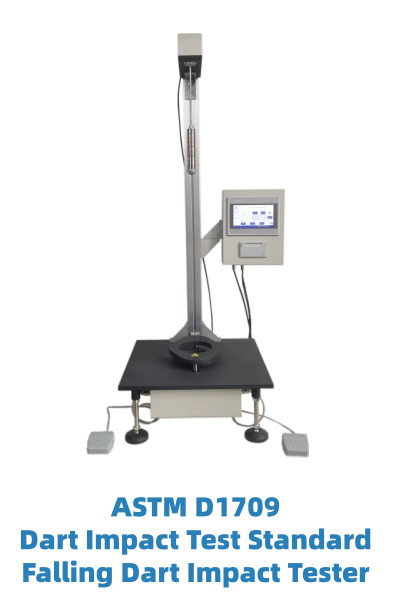
ASTM D1709 zuhanó dárda ütésvizsgáló készülék a Cell Instruments-től
Az Cell Instruments professzionális szolgáltatást nyújt Dart-ütésvizsgáló készülék az ASTM D1709 szabványnak való megfelelés és a rutin laboratóriumi vizsgálatok céljára tervezték.
Intelligens technológiák integrálása
PLC-vezérlés és érintőképernyős kezelés
- Ipari PLC-architektúra
- 7 hüvelykes HMI érintőképernyő
- Intuitív kezelés
Az eredmények automatikus kiszámítása
A rendszer a megfelelés/nem megfelelés vizsgálat után automatikusan kiszámítja az ütésállósági értékeket, ezzel csökkentve a kezelő munkaterhelését és minimalizálva a számítási hibákat.
Elektromágneses darts-kilövő
- Stabil dart-felfüggesztés
- Egységes kiadási feltételek
- Jobb ismételhetőség
Pneumatikus minta rögzítés
- Az minták egységes rögzítése
- A kezelő befolyásának csökkentése
- A tesztelés konzisztenciájának javítása
Kettős vizsgálati módszer alkalmazásának lehetősége
| Funkció | Beállítások |
|---|---|
| A módszer | Standard |
| B módszer | Opcionális |
| Automatikus számítások | Igen |
| Pneumatikus szorítás | Igen |
| Érintőképernyős vezérlés | Igen |
Biztonsági és termelékenységi funkciók
- Lábkapcsolóval történő működtetés
- Teszt aktiváló gomb
- Megfigyelő világítás
- Opcionális mikronyomtató
- Opcionális szoftverintegráció
Műszaki adatok
| Tétel | Műszaki adatok |
|---|---|
| Vizsgálati módszer | A. módszer / B. módszer (opcionális) |
| Teszt tartomány | A. módszer: 50–2000 g |
| B. módszer: 300–2000 g | |
| A dart átmérője | A. módszer: 38 ± 1 mm |
| B. módszer: 50 ± 1 mm | |
| Ütési magasság | 660 mm / 1500 mm |
| Pontosság | 0,1 g (0,1 J) |
| Rögzítőrendszer | Pneumatikus |
| Air Supply | 0,6 MPa |
| A minta mérete | >150 mm × 150 mm |
| Tápegység | 110–220 V váltakozó áram, 50 Hz |
A megfelelő darts-ütésvizsgáló kiválasztása
Az ASTM D1709 szerinti vizsgálati rendszer kiválasztásakor a laboratóriumoknak a következőket kell figyelembe venniük:
- Az ASTM D1709 szabvány követelményeinek való megfelelés
- Az A és a B módszer támogatása
- Automatizáltsági szint
- Adatkezelési funkciók
- Tesztelési teljesítmény
- Kalibrálási és karbantartási követelmények
A modern darts-ütésvizsgáló készülék hozzájárul a vizsgálati hatékonyság növeléséhez, miközben pontos és megismételhető eredményeket biztosít a minőség-ellenőrzés és a kutatás-fejlesztés területén.
ASTM D1709 továbbra is az egyik legfontosabb szabvány a műanyag fóliák ütésállóságának értékelésében. A szabványosított, szabadon zuhanó darts-teszt segítségével a gyártók számszerűsíthetik a fólia ütésállóságát, javíthatják a termék teljesítményét, csökkenthetik a csomagolási hibákat, és biztosíthatják a gyártás állandó minőségét. Akár minőségbiztosításra, termékfejlesztésre, akár anyagok összehasonlítására használják, egy megbízható darts-ütésvizsgáló készülék elengedhetetlen eszköz a modern fóliavizsgáló laboratóriumok számára.